
Three days is the sweet spot for Luxor. It gives you both banks of the Nile, the tombs, the temples, a felucca at sunset and — most importantly — a spare morning in case the wind cancels your balloon. Here is the plan we give friends who visit.
Before you arrive: two rules
- Book the balloon for your first morning. Flights are occasionally cancelled for wind. Flying on day one leaves days two and three as backups. Our best time to fly guide explains how often that happens by season.
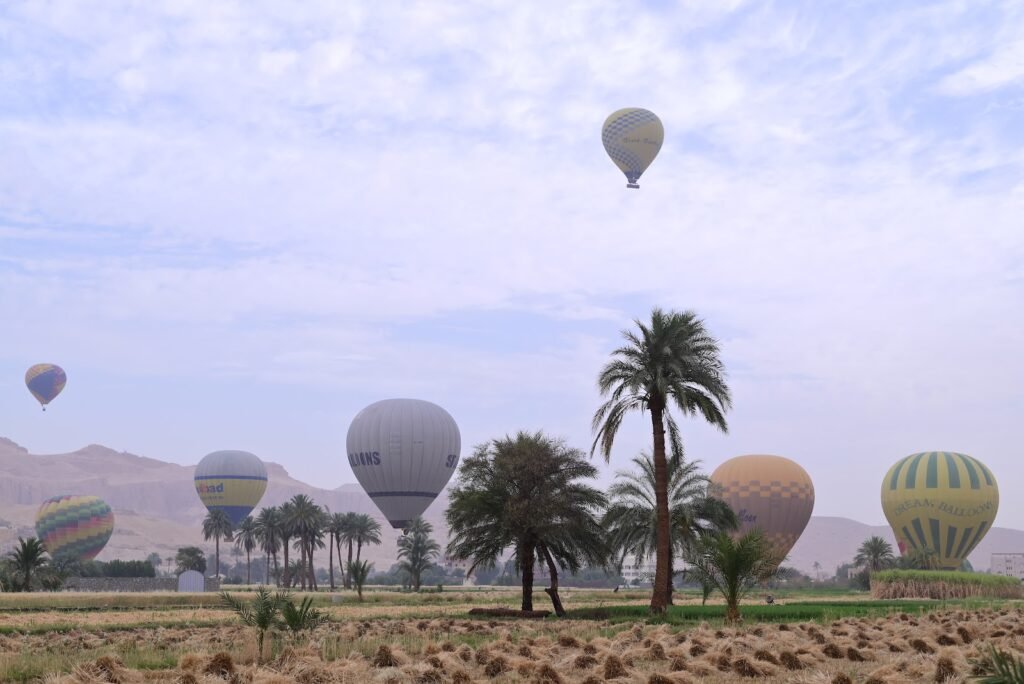
- Do the West Bank right after the flight. You land on the West Bank at breakfast time, already beside the tombs, before the coaches and the heat arrive.
Day 1: Balloon at sunrise, then the West Bank
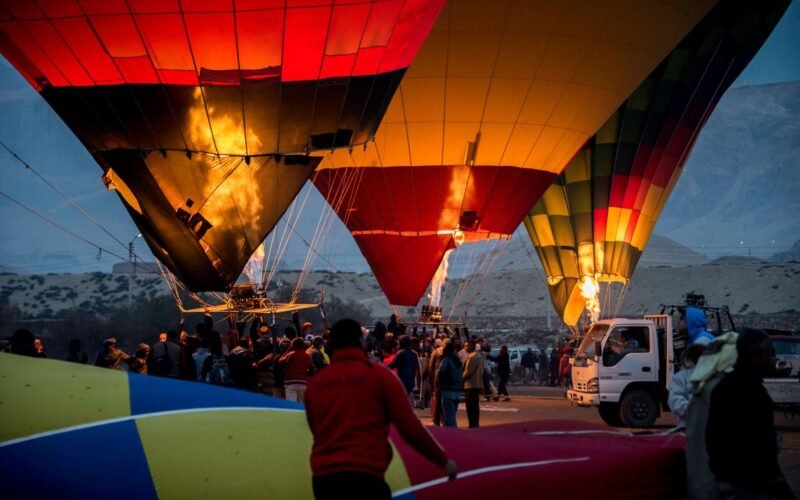
- Before dawn: hotel pickup, the Nile crossing in the dark, tea at the launch field while the balloons inflate. See what happens on a balloon morning.
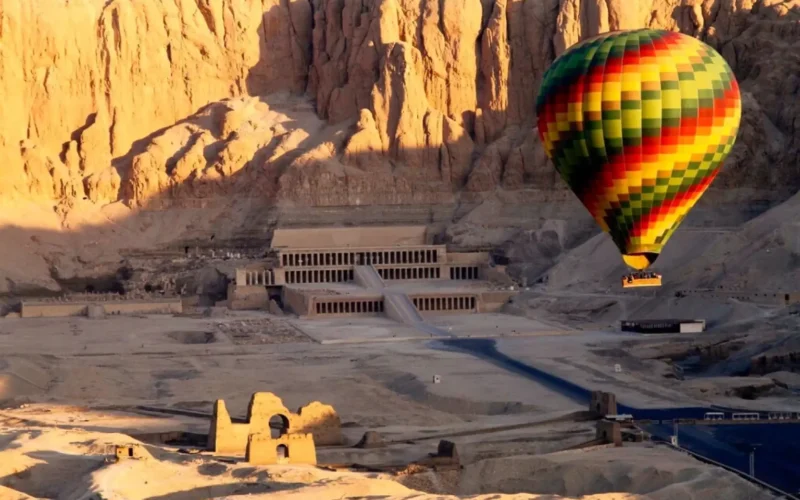
- Sunrise: 35 to 60 minutes over the Theban necropolis. Here is what you see from the air.
- Mid-morning: the Valley of the Kings. Your ticket covers three tombs; Tutankhamun, Seti I and Ramesses V/VI need separate tickets.
- Late morning: the Temple of Hatshepsut at Deir el-Bahari, then a short stop at the Colossi of Memnon.
- Afternoon: back to the hotel to sleep. You have been up since four.
- Evening: dinner on the East Bank corniche.
Our Hot Air Balloon + Valley of the Kings tour does exactly this morning with an Egyptologist guide.
Day 2: Karnak and Luxor Temple
- Early morning: Karnak Temple opens early; arrive at opening and walk the Great Hypostyle Hall before the crowds.
- Midday: the Luxor Museum or the Mummification Museum, both air-conditioned and quiet.
- Late afternoon: a felucca on the Nile as the light turns gold.
- After dark: Luxor Temple, which is lit at night and is at its most atmospheric after sunset.
If the balloon was cancelled on day one, move it to this morning and start Karnak a little later. Prefer to fit both banks into one long day? See Balloon + Best of Luxor.
Day 3: The quieter West Bank
- Morning: Medinet Habu and the Valley of the Queens — the best-preserved painted reliefs in Luxor, with a fraction of the visitors.
- Optional: the Tombs of the Nobles or Deir el-Medina, the workmen’s village whose tombs are small, colourful and intimate.
- Afternoon: lunch at a West Bank guesthouse overlooking the fields, then your onward train, flight or Nile cruise.
Only two days?
Fly on morning one with the West Bank afterwards, and do Karnak and Luxor Temple on day two. You lose Medinet Habu and your weather buffer, so book the balloon for the very first morning.
Five days or more?
Add a Nile cruise to Aswan. Our Luxor + Nile cruise + balloon package does the flight first and then sails south past Edfu and Kom Ombo. Read how balloon pickups from cruise ships work.
Coming from the Red Sea or Cairo?
From Hurghada, an overnight trip is far better than a midnight day trip — see our Hurghada guide. From Cairo, fly to Luxor the evening before; our balloon + Giza Pyramids 2-day tour links both.
Frequently asked questions
Is one day enough for Luxor?
One day covers the highlights at a fast pace, especially if you start with the balloon, but you will have no weather buffer for the flight.
What should I see first in Luxor?
The balloon. It shows you the whole layout of ancient Thebes in an hour, so every temple you visit afterwards makes more sense.
Which month is best for this itinerary?
October to April for comfortable sightseeing. In summer, keep the sightseeing to early morning and evening.